
Read Time: 3 Minutes
Key Takeaways:
- Lymphedema occurs when your lymphatic system fails to drain fluid, causing chronic swelling.
- Catching the early signs helps you take action before the condition limits your mobility.
- Damage to lymph nodes from past surgeries, trauma, or poor circulation increases your risk.
- Professional vascular evaluations help identify underlying circulatory issues before the swelling causes serious infections.
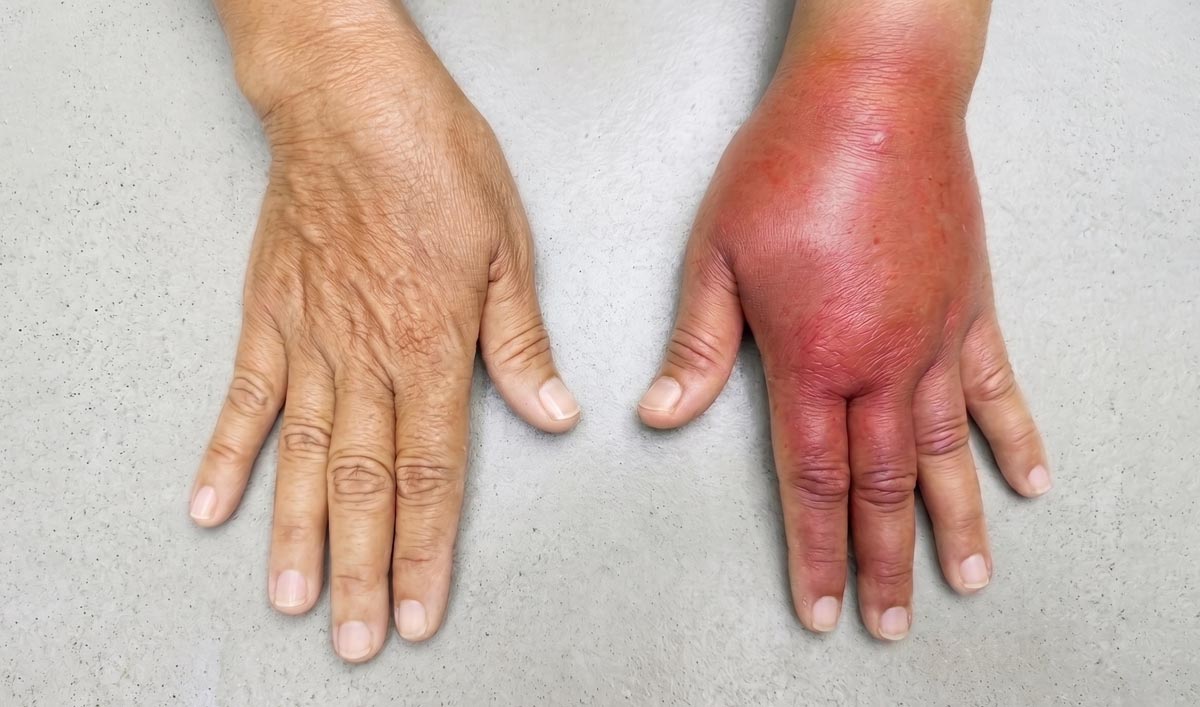
Have you ever noticed one of your legs or arms feeling unusually heavy or swollen at the end of the day? While occasional swelling is common after long hours of standing, persistent fluid buildup might be pointing to a hidden issue in your body: a condition called lymphedema.
Think of your lymphatic system as a vital highway that works alongside your blood vessels. When this highway gets blocked, the fluid has nowhere to go. Understanding this condition is a crucial step in maintaining your long-term health and mobility.
What exactly is lymphedema?
Your lymphatic system collects excess fluid, proteins, and toxins, carrying them away from your tissues to be filtered. But when parts of this system are interrupted, it creates a traffic jam in your body.
As the Mayo Clinic explains, “Lymphedema occurs when the lymph vessels are not able to adequately drain lymph fluid, usually from an arm or leg”. This causes fluid to pool, leading to uncomfortable and sometimes severe swelling in the affected limbs.
This condition is much more common than people realize. As highlighted by Vein Specialists of the Carolinas, “More than 5 million Americans live with Lymphedema”, yet less than 1 in 5 are diagnosed each year. This staggering statistic emphasizes why early awareness is vital for your health.
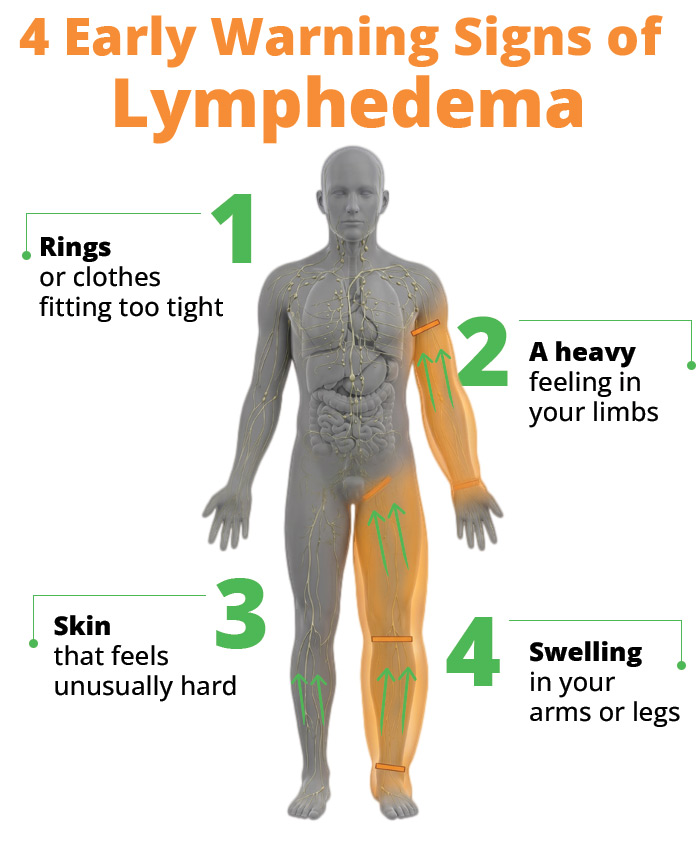
Spotting the condition early One of the challenging aspects of this condition is its gradual progression. It rarely happens overnight. Instead, it starts with subtle changes that many people brush off as simple fatigue or normal aging.
Because the early warning signs (listed at the top of this article) can be easily ignored, many people wait until the swelling becomes painful. If left untreated, the trapped fluid can become a breeding ground for severe, recurring skin infections.
Who is at risk?
While anyone can develop a lymphatic blockage, certain factors increase the likelihood. As highlighted by the Cleveland Clinic, “Lymphedema happens when your lymph nodes or lymphatic vessels are damaged or missing”.
Primary lymphedema is an inherited condition, but secondary lymphedema is much more common. Contributing factors include:
- Past surgeries or treatments that required the removal of lymph nodes.
- Trauma, injuries, or severe infections that damage the lymphatic vessels.
- Advanced age, which naturally slows down circulatory function.
- Venous insufficiency, where poor blood circulation puts extreme pressure on the lymphatic system.
Taking action for your vascular health Protecting your limbs requires a balanced approach: making intentional daily choices while working alongside a medical professional.
1. Daily habits that make a difference
- Protect your skin: Keep your skin clean and moisturized daily to prevent cuts and severe infections.
- Stay active: Regular, gentle movement helps your muscles pump fluid out of your limbs.
- Elevate your limbs: Raising your arm or leg above your heart level helps fluid drain naturally.
2. Professional screening and care
While daily habits are essential, they only cover part of the picture. Because your veins and your lymphatic system are deeply connected, evaluating your circulation is a key part of protecting your body.
At Soleil Surgical, we use advanced technology to assess your vascular health. Comprehensive screenings help us identify blockages or poor blood flow that might be worsening your swelling. If we find an issue, our medical team can recommend treatments designed to restore proper circulation and alleviate the pressure on your lymphatic system.
Our bilingual staff is ready to listen to your concerns and guide you toward a healthier future.
Take control of your health today. Call us to schedule your consultation at (407) 343-4983.