
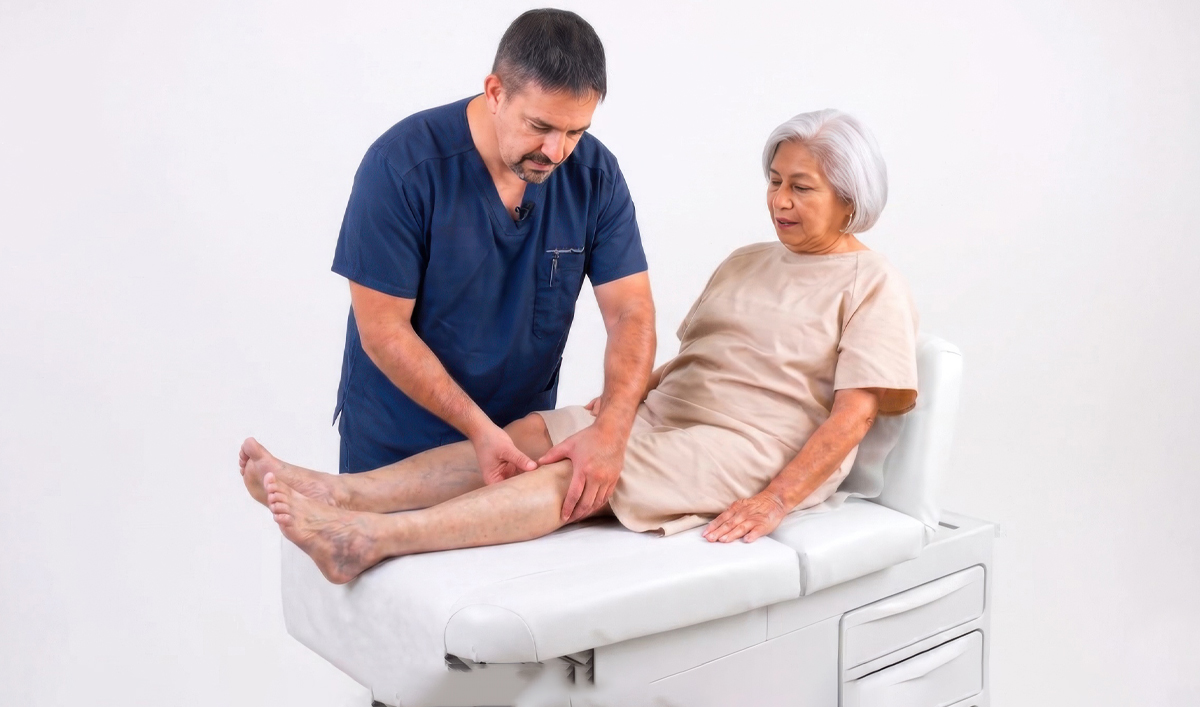
- Neuropathy occurs when high blood sugar damages your nerves, often beginning in the feet and legs.
- Early symptoms include tingling, a burning sensation, or numbness, which can easily go unnoticed in daily life.
- Catching nerve damage early helps prevent severe complications, like undetected foot injuries or infections.
- Daily foot checks and routine vascular screenings are effective steps to protect your circulatory health and nerve function.
You manage your blood sugar. You watch your diet. You stay active. But there is a silent condition that can develop alongside diabetes, often sneaking up without immediate warning. We are talking about neuropathy.
Think of your body’s nervous system like a complex network of electrical wires. When these “wires” are damaged, the signals between your brain and your body get disrupted. Understanding diabetic neuropathy is a crucial step in maintaining your long-term health and mobility.
What exactly is neuropathy?
Neuropathy, specifically peripheral neuropathy, refers to damage to the peripheral nerves. These are the nerves that travel to your arms, hands, legs, and feet.
When you have diabetes, prolonged exposure to high blood sugar can injure delicate nerve fibers. At the same time, high blood glucose weakens the walls of the tiny blood vessels (capillaries) that supply oxygen and nutrients to those nerves.
According to data from the Centers for Disease Control and Prevention, about half of all people with diabetes experience some form of nerve damage. This statistic highlights how common this condition is and why early awareness is vital for your health.
The early signs of diabetic neuropathy
One of the challenging aspects of nerve damage is its gradual progression. It rarely happens overnight. Instead, it starts with subtle changes that many people brush off as simple fatigue or poor circulation.
As detailed by the Mayo Clinic, the early signs usually appear in your feet and legs first, before eventually affecting your hands and arms. Watch for these common red flags:
- A tingling or “pins and needles” sensation.
- A burning feeling, especially at night.
- Numbness or a reduced ability to feel pain or temperature changes.
- Sharp, shooting pains or cramps.
- Increased sensitivity to touch, where even the weight of a bedsheet feels uncomfortable.
Because numbness can mask pain, you might develop a blister or a minor cut on your foot and not feel it. If left untreated, these minor injuries can become serious infections.
Who is at risk?
Anyone with diabetes can develop nerve damage, but certain factors increase the likelihood. The National Institute of Diabetes and Digestive and Kidney Diseases points out that your risk goes up the longer you have diabetes. Other contributing factors include:
- Difficulty managing blood sugar levels.
- A history of smoking, which narrows and hardens the arteries, reducing blood flow to the nerves.
- High blood pressure or high cholesterol.
Taking action for your vascular health
Protecting your nerves requires a balanced approach: making intentional daily choices while working alongside a medical professional.
1. Daily habits that make a difference:
- Inspect your feet: Check daily for cuts, blisters, or redness.
- Stay active: Regular movement helps improve blood flow to your extremities.
- Manage blood sugar: Keeping your levels in your target range helps prevent further nerve damage.
2. Professional screening and care:
While daily habits are essential, they only cover part of the picture. Because blood flow directly affects nerve function, evaluating your circulation is a key part of protecting your limbs.
At Soleil Surgical, we use advanced technology to assess your vascular health. Comprehensive screenings help us identify blockages or poor circulation that might be worsening your nerve symptoms. If we find an issue, our specialists can recommend treatments designed to restore blood flow and help alleviate discomfort.
While medicine cannot guarantee a cure for nerve damage, early intervention helps slow its progression and protects your limbs from serious complications down the road.
Our bilingual team is ready to listen to your concerns and guide you toward a healthier future.
Take control of your health today. Call us to schedule your consultation at (407) 343-4983.